Quick Read
- Malacañang says the Office of the President has finished reviewing the draft framework agreement, so the Pax Silica signing date now depends on a US reply.
- Press Officer Claire Castro said signing at the November 15 to 17 ASEAN Summit depends on when Washington gives feedback.
- Citing the Bases Conversion and Development Authority, the Palace said the agreement is ready for signing only after the US responds, and it gave no date for that reply.
- Provisions were adjusted using inputs from the Office of the Executive Secretary and the Department of Trade and Industry before the draft was sent, and the Palace declined to describe the contents.
- BCDA earlier said it expects signing this month, while the Palace says displaced groups will get government support, including financial aid.
The Pax Silica signing date no longer sits with Manila alone. On Wednesday, Malacañang said the Office of the President has finished reviewing the draft framework agreement for the Tarlac hub and submitted it to the US government. Citing the Bases Conversion and Development Authority (BCDA), Palace Press Officer Claire Castro said the agreement will be ready for signing once the US gives feedback on the draft.
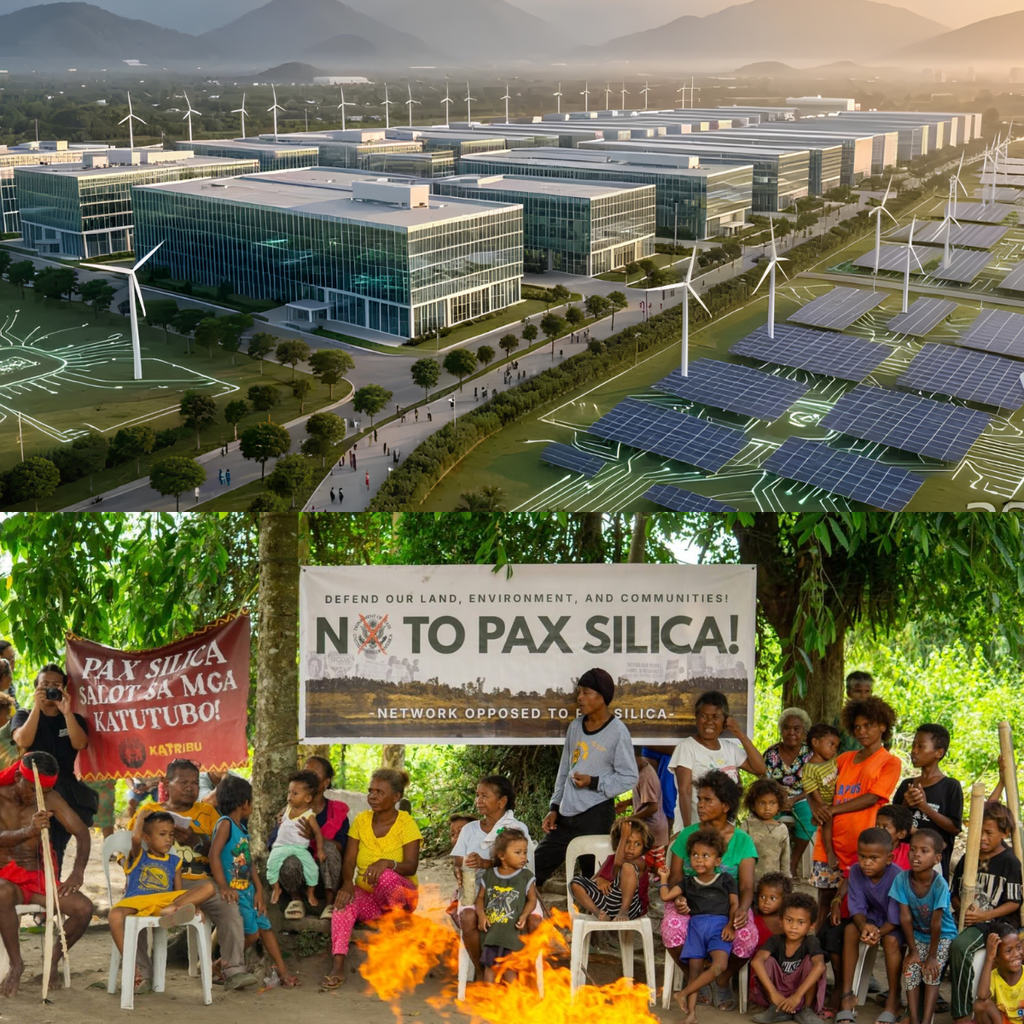
The agreement would govern the roughly 1,620-hectare advanced manufacturing park planned for New Clark City. Castro said the document is not yet final and declined to give details of its contents until it is. So the party that has to answer next is Washington, and the public is waiting without the text.
The Pax Silica Signing Date Has Two Owners
BCDA earlier said it expects the agreement to be signed this month. The Palace’s answer on Wednesday was more conditional. Asked whether signing would happen during the 49th ASEAN Summit, to be held in Metro Manila from November 15 to 17, Castro said it depends on when the US government can give its feedback on the draft. The Palace has also said US President Donald Trump is expected to attend the summit.

The two statements do not contradict each other, but they describe different things. One is the expectation of the agency doing the negotiating. The other is a condition Manila does not control. As reported, the Palace gave no date for the US reply.
In July, BCDA was already saying the two countries may sign by November. What has changed since is who is waiting on whom. The Philippine review is done. The Pax Silica signing date now waits on the other side, and a summit on the calendar does not make a US reply arrive any faster.
Manila’s Edits Are Already in the Draft
Castro said provisions of the agreement were adjusted based on inputs from the Office of the Executive Secretary and the Department of Trade and Industry. BCDA had also met the Office of the President, through the Executive Secretary, on its submitted memorandum with DTI. It received guidance that it will follow in negotiating and finalizing the arrangement with its US counterpart.

That changes how the word “draft” should be read. The version in Washington’s hands is not a blank starting point. It already carries Philippine changes, made before the public has seen any of the text. Negotiation is not over, since BCDA still has guidance to follow in finalizing the arrangement. But the next step is a US reply, and until it comes the Philippine side is working from the text it has already sent.
That sequence matters for anyone relying on the Palace’s description of the draft. The description comes from the party that wrote it, and the party that must now respond has not yet said what it thinks.
Philippine negotiators also lose some control over timing. They can finish their own review, but they cannot set the day Washington responds. Because the Palace will not describe the contents, anyone judging the Pax Silica signing date is judging a deadline for a document the public has not seen.

Affected Communities Hold Assurances, Not Terms
BCDA submitted the draft last month after consultations with those who will be affected by the creation of the park. Castro said groups displaced by the project will get government support, including financial aid.
An assurance and a term are different things. The assurance is on the record from the Palace. The terms that would give it scope, such as who qualifies and how much they receive, have not been made public, and the Palace’s account does not say whether the framework agreement sets them.
Residents and farmers on the site would carry a large share of the cost if the hub goes ahead. They are being told support is coming while the document that governs the hub stays closed. For them, the Pax Silica signing date marks the point where a text the public has not seen becomes the text the project is built on.

Opponents Are Arguing Over a Text They Cannot Read
The project has drawn opposition from groups who say it may include data centers that consume large amounts of power and water, harm the environment and displace indigenous communities and farmers. Whether the agreement addresses any of that is not something the Palace has said, because it has declined to describe the contents.
That leaves each side arguing past the other. Critics are objecting to features they believe the hub may include. The government is answering with assurances of support and a promise that the agreement will be ready once the US responds. A reader weighing the Pax Silica signing date cannot test either position against the text, and the Palace has said it will give details only once the agreement is final.
Washington’s Reply Sets the Pace
Manila has finished its review and sent the draft across. The Palace has declined to describe the text, and no date for the US reply has been given. BCDA and the Office of the President have handed the pace to Washington, and the communities on the site carry the risk of whatever the agreement says. They will read it when it is finalized, at the same time as everyone else. What moves first is the US answer, and the signing date follows it.
More developments that reshape the operating environment in National Signal section of Hemos PH.