Quick Read
- President Donald Trump said on Nov 20 that the Philippines should stop buying energy from the Middle East because those countries would not help if China attacked, making the case for US-only energy imports a security argument.
- No signed document supports 100 percent, and Manila describes diversification judged on lower prices.
- The White House’s own wording is increased purchases, with no timetable or targets.
- A purchasing rule based on who would defend the buyer cannot be priced, which leaves importers carrying the contract risk.
- The 2025 trade talks suggest the figure shrinks while a purchase commitment survives.
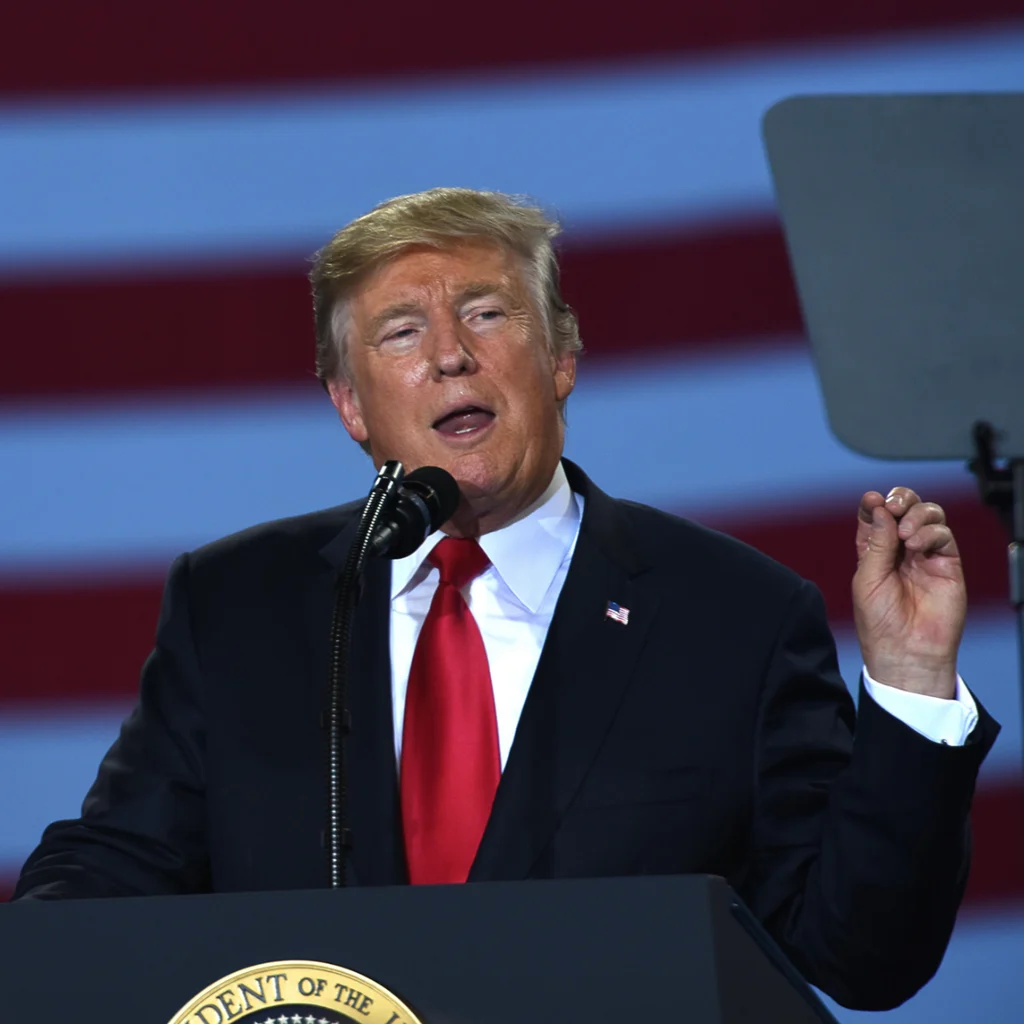
US-only energy imports are being sold as a security decision, and that framing will outlast the 100 percent figure. At a White House news conference on Nov 20, President Donald Trump said he asked President Ferdinand Marcos Jr. whether Middle Eastern countries would come to the Philippines’ aid if China attacked. In his account, the answer was no, and his conclusion was that the country should stop buying from them. If it does not, he said, “then they have problems.” Manila describes diversification. The number will shrink, but the logic behind it will not.
The Defense Argument Replaces the Price Argument
Trump was recounting a Nov 18 meeting at Malacañang, so Marcos’s reported answer is Trump’s version of the exchange. The reasoning is that a supplier that would not defend the Philippines should not be a supplier. That is a sourcing rule based on alliance, not on cost.
Manila’s stated terms are different. Finance Secretary Frederick Go has said more sources of energy and food are good for the country, especially if they mean lower prices. Marcos has said the deals were meant to diversify supply instead of relying on traditional partners. Those are cost tests. Trump’s test is who would show up in a conflict. Both cannot be the purchasing criterion, and importers sign the contracts under whichever one wins.

The documented record is smaller than the claim. Philippine Ambassador to the US Jose Manuel Romualdez said Washington offered to help diversify food and energy supply and that nothing was signed. The White House said the leaders committed to eliminating the US trade deficit through increased Philippine purchases of American energy and farm goods, with no timetable or targets. “Increased” is a direction and “100 percent” is a destination, and only the first appears in official wording. The January 1 start date Trump gave for farm purchases comes from Trump alone.
Claims Shrink but Commitments Stay
In July 2025, Trump announced after meeting Marcos at the White House that tariffs on American goods entering the Philippines would fall to zero. Marcos then clarified that zero tariffs would apply only to certain products, such as automobiles. A Marcos economic adviser said tariffs on US crops were not among the concessions.
The Philippines still committed to increase imports of soy, wheat and pharmaceuticals. The sequence was a maximal announcement, a Philippine narrowing, and a smaller commitment that still bound someone. A rule requiring US-only energy imports is unlikely on that pattern. A commitment to raise the US share by a defined amount is not, and a defense framing makes it harder to refuse, because declining can be read as questioning the alliance.

Importers Carry the Risk of US-Only Energy Imports Now
The Philippines relies on the Middle East for nearly all of its crude oil and about one-fifth of its fertilizer. Importers and oil marketers holding Middle East term contracts have no way to tell whether to renew, shorten or hedge, because the push for US-only energy imports has no defined share or date. Cargoes from the US would also come from a seller farther away, and whether they cost more depends on freight and cargo prices. A security criterion does not price any of that. If the gap lands, it sits with the importer that signs and then moves to consumers.
The farm side has the same problem. Trump named Brazil, and the Philippines is a top buyer of Brazilian pork in Southeast Asia. Pork importers are being told to plan around a January 1 date that Manila has not confirmed.
An Origin Rule Would Catch Refiners Outside the Deal
Much of the rest of the country’s fuel comes from Asian refiners that also depend on Middle East crude. A ban on direct Middle East purchases would leave that second layer untouched unless the rule defines origin for refined products.

If it does, the Asian refiners supplying Philippine buyers become newly affected, and so do the buyers who rely on them. If it does not, US-only energy imports exist on paper while the actual fuel mix barely moves. Either answer is a compliance question for importers long before it becomes a political one.
Importers with Middle East and Brazilian contracts carry the risk of a rule nobody has written. If a smaller commitment lands, they absorb the switching cost first and pass it down to consumers. What shifts first is the purchasing criterion itself, which now includes who would defend the buyer, and no price test accounts for that.
Source: President Trump Holds News Conference Following China Visit
More developments that reshape the operating environment in National Signal section of Hemos PH.