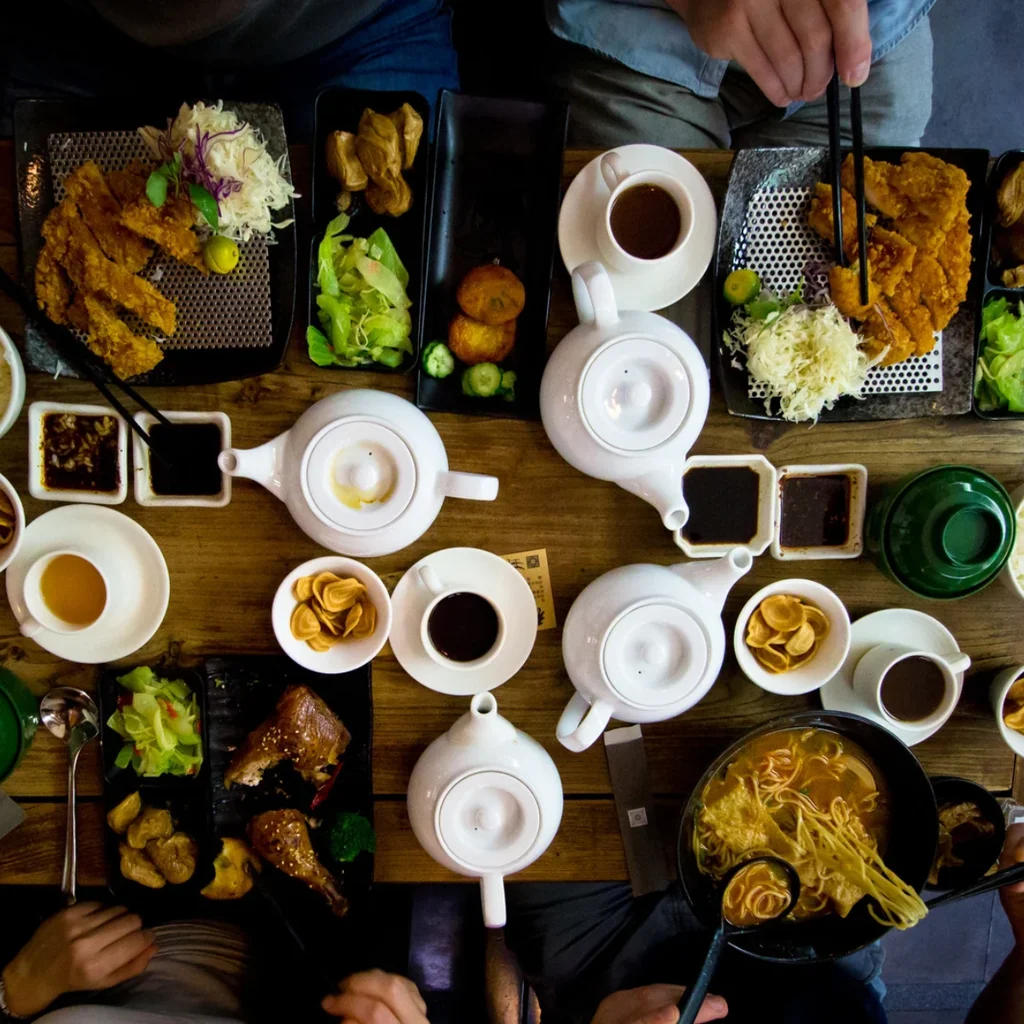
NIQ’s 2026 figures show more Filipinos eating outside the home, even as tight household budgets shape where they go, what they order and which meals justify the expense.
NielsenIQ estimates that 32.4 million Filipinos participated in out-of-home dining in 2026, up from a comparison figure of 30.4 million. The research firm describes the increase as 7%, a striking result when many households are counting expenses more carefully.
The rise in dining out participation does not automatically mean bigger restaurant bills. NIQ’s figure measures how many people eat outside the home, not how often they visit, what they spend, or whether restaurants are earning higher margins. People can keep an occasional meal out while trimming spending elsewhere.

Dining Out Can Still Be the Practical Option
Some meals are purchases of time as much as food. NIQ finds that 54% of consumers dine out because they need a quick meal, while 45% cite not having enough time to cook. The motivations may overlap, but both point to an everyday need that preparing food at home does not always meet.
A quick lunch between appointments, a meal during a long commute, or food bought after an unexpectedly late day at work may not feel like a treat. The bill covers something a person can eat right away without shopping, preparing ingredients or washing dishes. That does not make dining out cheaper than cooking. It explains why convenience can justify a higher price on a particular day.
Dining out as a social plan serves a different purpose. Meeting friends or spending an evening with family is not directly comparable to cooking at home. Someone saving for a particular occasion may keep the restaurant booking while cutting back on more routine purchases.

Low Prices Have Not Lost Their Appeal
According to NIQ, 61% of Filipinos say they have enough only for basic necessities, and another 11% report barely having enough. Price remains a starting point in the choice, though it is not the only consideration.
The channels people use reflect that pressure. In the past three months covered by NIQ, carinderias reached 87% of consumers, convenience stores 84%, and quick-service restaurants 80%. These are measures of channel reach, not exclusive preferences. The same person could have eaten at all three.
One day may call for lunch at a carinderia. Another may leave time only for a convenience store. A fast-food meal might be the easiest option when several people need to eat quickly. Comparing these choices only by menu price misses the time, location and circumstances attached to the decision.

For someone watching expenses, the useful comparison is between the amount on the bill and the job the meal does. A cheaper dish may not help if reaching it requires an inconvenient detour. A more expensive one can disappoint if its portion, preparation or service falls short.
Quality Can Justify a Carefully Chosen Treat
NIQ says 49% of consumers now prioritize food quality over price. That does not mean cost has stopped mattering. Some diners may be more willing to choose where limited discretionary spending goes than to pick the lowest-priced option every time.
The report also notes declining interest in trying new menu items and more indulgent foods compared with previous years. That makes novelty a less dependable reason to spend. A new dish might attract attention without giving customers enough reason to order it again.

A birthday dinner, a reunion or a meal after a demanding week can justify spending more than an ordinary lunch. But expectations change with the occasion. A weekday meal needs to be accessible and reliable, while a planned evening out has to deliver on both the food and the time spent together.
There is no single price level that all Filipino diners regard as reasonable. The same customer may be strict about lunch spending and more flexible about a meal arranged weeks ahead. Selectivity can mean choosing fewer occasions, rather than abandoning dining out altogether.
Online Recommendations Are Only the Beginning
For many people, dining out begins with a search or a recommendation on a screen. NIQ reports that 77% of Filipinos use digital channels to discover places to eat. A post, review or menu can put a restaurant on someone’s shortlist.
NIQ also identifies clean surroundings, clean restrooms and freshly served food as important factors when choosing an outlet. These are harder to establish from a polished feed. Online attention can prompt a first look, but the visit itself determines whether a recommendation survives personal experience.
For the customer, that makes it useful to look past a viral dish or a busy launch. Clear prices, a menu suited to the occasion and basic cleanliness can matter more than the number of people talking about a place.
Restaurants Have to Make the Price Easy to Defend
When people have fewer reasons to spend casually, missed basics become more costly for operators. A quick-service counter benefits from predictable service. A neighborhood eatery can encourage repeat visits with dependable portions and prices. A restaurant selling a higher-priced evening has to give customers a reason to plan for it.

This is not necessarily an argument for discounting everything. Lower prices without manageable costs do not guarantee a viable business. The restaurant needs to be clear about what the customer receives, whether that is a fast meal, a reliable favorite or an occasion worth setting aside money for.
Online promotion can make a restaurant easier to find, but it cannot compensate for disappointing food or a dining area that falls short of expectations. A consumer judges the experience after paying, not just while browsing the menu.
Every restaurant visit still competes with groceries, transport, bills and other demands on a household’s money. A meal someone had to budget for leaves little room for disappointment.

Explore the habits, spaces, and decisions that sharpen how high-performers live and operate in the Lifestyle section of Hemos PH.