Quick Read
- The Philippine Ports Authority (PPA) finished the Plaridel Port expansion in Misamis Occidental on October 18, 2026, and inaugurated it on November 6.
- PPA projects cargo at the port rising from 73,758 metric tons in 2024 to 128,620 metric tons in 2034.
- Vehicles in the same table rise by the identical 74.4%, while vessel calls rise only from 166 to 184.
- Carriers and shippers gain a new wharf with a RoRo ramp, and PPA carries the risk if traffic falls short of the forecast.
The Plaridel Port expansion in Misamis Occidental opened on November 6 with a forecast attached. PPA’s cargo forecast has the port handling 74% more tonnage by 2034, but that figure is a projection, and PPA’s own table moves cargo and vehicles by the same percentage. The table also adds only 18 vessel calls over ten years, so the growth depends on heavier sailings.
Plaridel Port Expansion Rests on a 74% Cargo Forecast
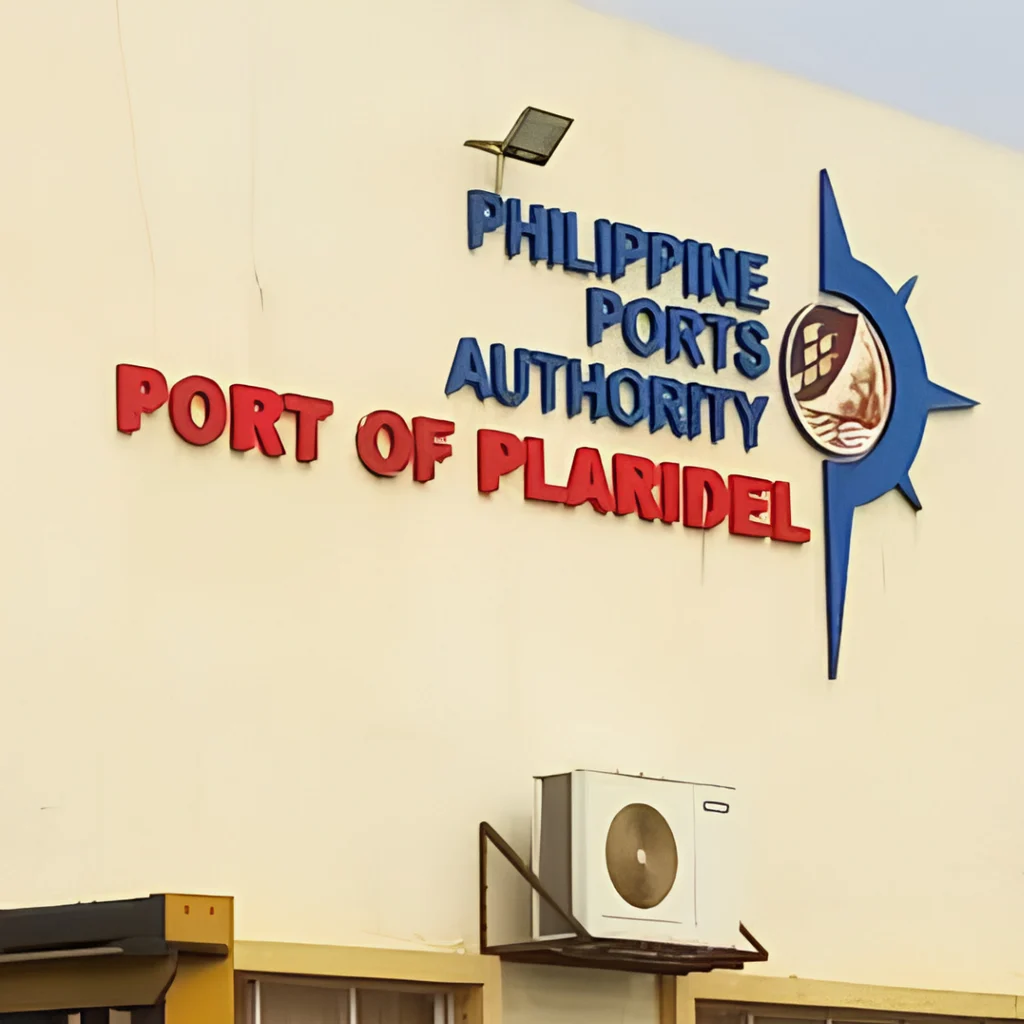
PPA completed the works on October 18, 2026, and inaugurated them on November 6. The port sits in Barangay Looc, in the municipality of Plaridel. The project includes a reinforced concrete wharf with a roll-on/roll-off ramp. Published reports add improved mooring and breasting dolphins and more space for vessel operations, vehicle staging, parking and cargo handling. PPA General Manager Jay Santiago said the completed project improves the capacity of the Port of Plaridel.
The agency’s traffic figures show what that capacity is expected to carry.
| Measure | 2024 actual | 2034 projection | Change |
|---|---|---|---|
| Cargo (metric tons) | 73,758 | 128,620 | +74.4% |
| Passengers | 126,191 | 140,895 | +11.7% |
| Vehicles | 4,250 | 7,411 | +74.4% |
| Vessel calls | 166 | 184 | +10.8% |
Figures from PPA. Percent change calculated from those figures.
Cargo carries the headline at 74.4%. The 2024 base of 73,758 metric tons works out to about 200 tons a day. Over ten years, the projected increase works out to about 5.7% a year. That is a steady climb rather than a surge, and it is the number the Plaridel Port expansion now has to meet.

Cargo and Vehicles Grow by the Same Rate
Vehicles rise from 4,250 to 7,411, which is also 74.4%. Cargo and vehicles are different traffic with different shippers behind them, so both landing on one percentage points to a single growth rate applied to both lines. PPA has not published its forecast method, the wharf dimensions or the final project cost, so the table is the only guide to how the 2034 numbers were built.
Passengers show how little the table reveals. They rise 11.7% over ten years, roughly what they rose in 2024 alone, according to published reports that put 2024 passenger growth at 11.77%. Vehicles grew 7.3% that year, above the 5.7% annual pace the table gives them. A uniform rate is a modeling shortcut. It is not a booking from a carrier or a shipper.
If traffic runs behind the line, the gap shows first in how empty the new wharf and vehicle staging area sit. If it runs ahead, the constraint moves to the wharf and staging area PPA just built.

Fewer Added Sailings Mean Heavier Loads
Vessel calls rise from 166 to 184. Dividing cargo by calls gives an average sailing of about 444 metric tons in 2024 and about 699 in 2034, a 57% increase. The average is rough, since it divides all cargo by all calls regardless of vessel type, but the direction is plain. Each call has to carry far more than it does now, or the cargo number does not arrive. Vessel calls grow about 1% a year in the table while cargo grows about 5.7%. Vehicles per call follow the same path, from about 26 to about 40, which on a RoRo route means fuller decks or bigger ships.
Those loads depend on decisions the wharf does not make. Carriers on the Cebu, Bohol and Siquijor routes choose which vessels they deploy and how often they sail. A new wharf and a RoRo ramp let carriers dock and load more at the Plaridel Port expansion. They do not oblige carriers to sail more, and whether docking space was ever the limit on Plaridel traffic is a question the forecast answers by assumption.
The Contract Value Is the Cost on Record
PPA’s procurement report lists a ₱637,743,254.10 contract for the Plaridel Port expansion and improvement project, awarded to the joint venture of WTG Construction and Development Corporation and Mindanao Rock. That is a contract value, not a tally of what the project finally cost. The forecast adds 54,862 metric tons a year and 3,161 vehicles by 2034, and those increments, not the 2024 base, are what the spending has to be measured against. The agency carries that spend, and the 2034 forecast is the public case for it. The construction is finished. The traffic is still a projection.

The Beneficiary List Stretches Across Mindanao
Published reports say the upgraded port will serve Zamboanga del Sur, Zamboanga del Norte, Zamboanga Sibugay, Lanao del Sur, South Cotabato, North Cotabato and Cotabato City. They name farmers, fisherfolk, traders and small businesses as the people who benefit from the Plaridel Port expansion. South Cotabato, North Cotabato and Cotabato City sit across Mindanao from Plaridel, a long overland haul from the wharf. A shipper in those places gains only if freight rates and sailing schedules make that haul worth it, and a wharf sets neither.
The wharf is finished and the contract is on record. Carriers choose their vessels and sailings, shippers choose their ports, and PPA carries the gap if either chooses against Plaridel. The sailing schedule moves first, and the 2034 table assumes it moves by only 18 calls.
More developments that reshape the operating environment in National Signal section of Hemos PH.