Quick Read
- Third-quarter palay output is estimated 17.2 percent lower, mostly because farmers planted less and not because of drought.
- DA’s worst-case El Niño loss to palay has grown from 750,000 to about 1 million metric tons since August, before the dry season begins.
- The rice buffer stock rests on imports that DA’s own initial probe linked to serious injury to farmers, so the timing of any safeguard duty decides who pays.
- Bottom-30 percent households and corn-dependent feed users carry the cost first, with rice inflation at 20.7 percent in October.
- Traders with storage and cash can hold stock through the dry months, while smaller operators buy at whatever price arrives.
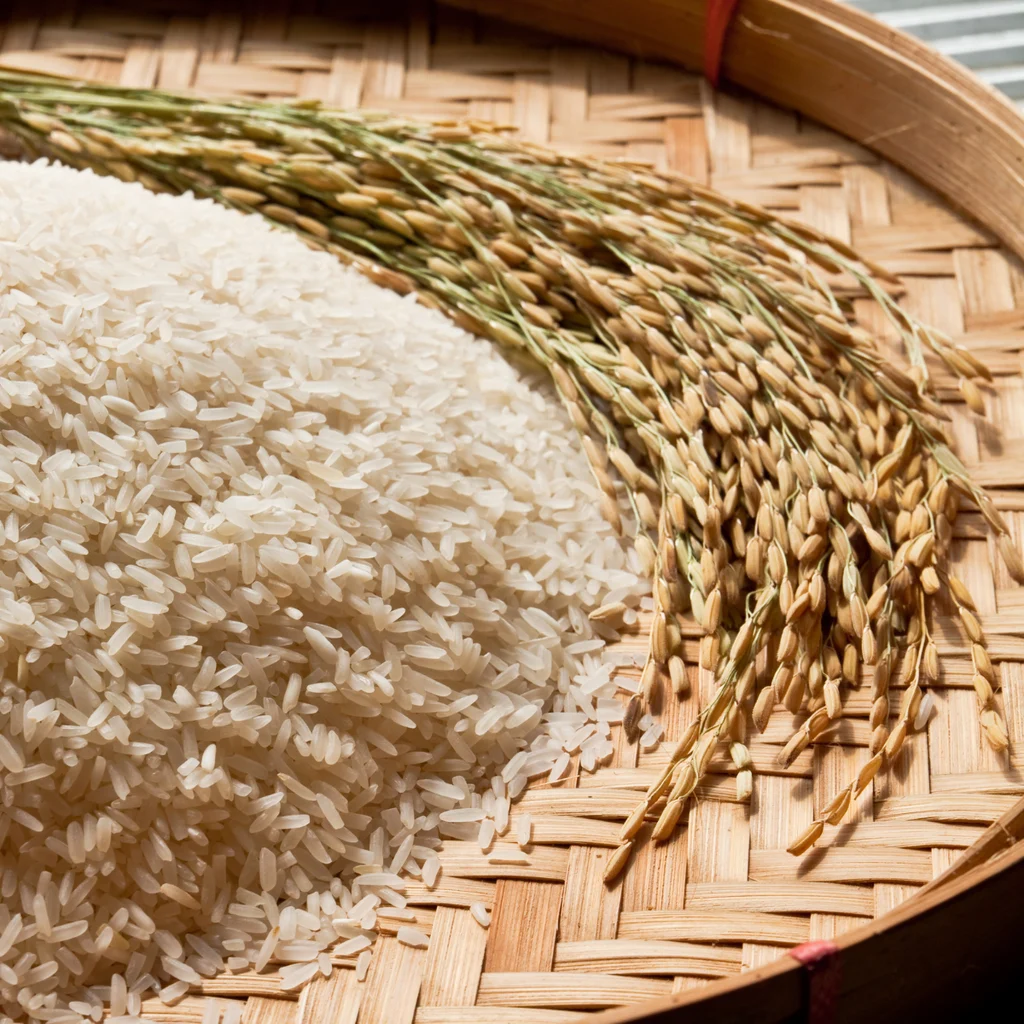
The Department of Agriculture is building its El Niño defense on imported rice, and the households and feed users who pay for that choice are already paying. Rice inflation reached 20.7 percent in October, according to published reports on Philippine Statistics Authority data. The dry-season crop that will test the rice buffer stock has not been harvested yet.
The Third-Quarter Drop Came From Planting, Not Drought
The Philippine Statistics Authority estimated third-quarter palay output at 3.10 million metric tons, down 17.2 percent from 3.75 million a year earlier. Harvest area was estimated 17.8 percent lower at 753,680 hectares, while yield per hectare rose 0.7 percent. Farmers planted less, and the fields they did plant held up.
Agriculture Undersecretary Christopher Morales listed higher fertilizer and fuel costs, smaller planted areas, Habagat rains and farmer caution over uncertain returns as causes, according to published reports of the DA briefing. None of those is drought. He placed the most severe El Niño effects in the first half of 2027, during the dry cropping season.

By DA’s own timeline, the weather damage has not started. Planting decisions are made before the weather arrives, and a farmer who skips a season because inputs cost too much does not appear in any drought count. Transport prices rose 20.1 percent year-on-year in October, according to published reports on the inflation data, so the dry-season crop will be planted on the same cost base with less water.
DA’s Own Loss Estimate Keeps Moving Up
On August 4, DA put the El Niño hit to palay output at 750,000 metric tons. By late October, its worst case before the Senate Finance Committee was a reduction of about 1 million metric tons, with up to 4.6 million of the country’s 10.4 million farmers and fisherfolk affected. The estimate rose by about a third in under three months, before the dry season began.
Agriculture Secretary Francisco Tiu Laurel Jr. told senators that all indications point to a Super El Niño, citing forecasts from the weather bureau PAGASA, and he backed Sen. Francis Pangilinan’s proposed State of Calamity declaration. That loss figure assumes irrigation, seed supply and planting schedules hold. They may. But an estimate that has already risen before the event is better read as a floor for sizing the rice buffer stock than as a forecast.

The Rice Buffer Stock Depends on Imports DA Called Injurious
As of August 3, rice imports had reached 3.3 million metric tons, and DA said it would not suspend them this year as El Niño risks mount. That is a defensible call. It also sits against a finding DA made itself. Under Department Order 18, DA asked the Tariff Commission to investigate surging rice imports, and its initial probe found a causal link between higher imports and serious injury to the domestic rice industry. Farmer groups then asked the commission for an additional 30 percent safeguard duty on top of the 15 percent tariff. The commission was expected to issue its findings in September. No outcome has been reported in the coverage available as of November 7.
Any safeguard duty would land in the same months the rice buffer stock is meant to cover. Importers carry the timing risk, because a duty announced after cargoes are contracted raises landed cost after the purchase decision is made. Consumers carry it next, because wholesale prices would absorb the duty. If the commission recommends no duty, imports keep arriving at current landed costs, and the cost shifts back to farmers selling palay into a market already full of imported rice.
DA has also told the National Food Authority to step up palay buying. That supports farmers who sell. It does not lower what households pay when they buy.

Households and Feed Users Carry the Cost First
Headline inflation reached 7.8 percent in October, according to published reports. Rice inflation was 20.7 percent and corn inflation 19.3 percent. For the bottom 30 percent of income households, inflation was 9.5 percent. Rice is not a purchase those households can skip, so the increase comes out of other spending.
Corn matters beyond the grocery shelf because it goes into animal feed. The PSA estimates third-quarter corn output at 2.08 million metric tons, down 14.2 percent from a year earlier. Poultry and hog raisers pay for feed at those prices, and meat and egg prices follow if they pass the cost on.
Traders With Storage and Cash Can Hold Through the Dry Months
The Bangko Sentral ng Pilipinas raised its overnight rate by 50 basis points to 5.5 percent, according to the same reports. That raises the cost of carrying rice or feed inventory on borrowed money, and it makes every month a rice buffer stock sits in a warehouse more expensive for whoever is financing it. A rice buffer stock built from imported cargoes rewards whoever can pay for storage and wait, so traders and millers with space and cash can hold stock through the first half of 2027, when DA expects the worst El Niño effects. Smaller operators, from carinderia owners to neighborhood retailers, have less room to hold anything and pay whatever price arrives.
Households and feed users pay for the shortfall first. Importers pass the timing cost of any safeguard duty into the wholesale price. Rice and corn prices have already moved, and the dry-season crop that sets the next move has not been harvested.
More developments that reshape the operating environment in National Signal section of Hemos PH.